
0M+
frames analyzed by AI
For Meteorologists
Pollen Sense gives meteorologists a live, hyperlocal source for pollen, mold, dust, and airborne particle data, built for forecasts, station websites, dashboards, and viewer-friendly allergy coverage.
0M+
frames analyzed by AI
0B+
particles tagged to date
0K+
new frames added weekly
0M+
hours of accumulated monitoring time
In the News
Newsrooms and public health teams are already telling stories around better pollen and allergen data. This carousel uses the public coverage entries curated on the existing marketing site.
1 of 9 stories Swipe for more
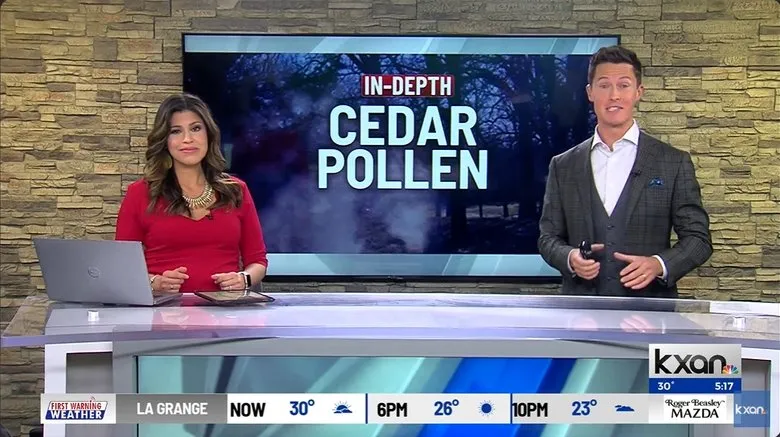
KXAN / Austin, TX
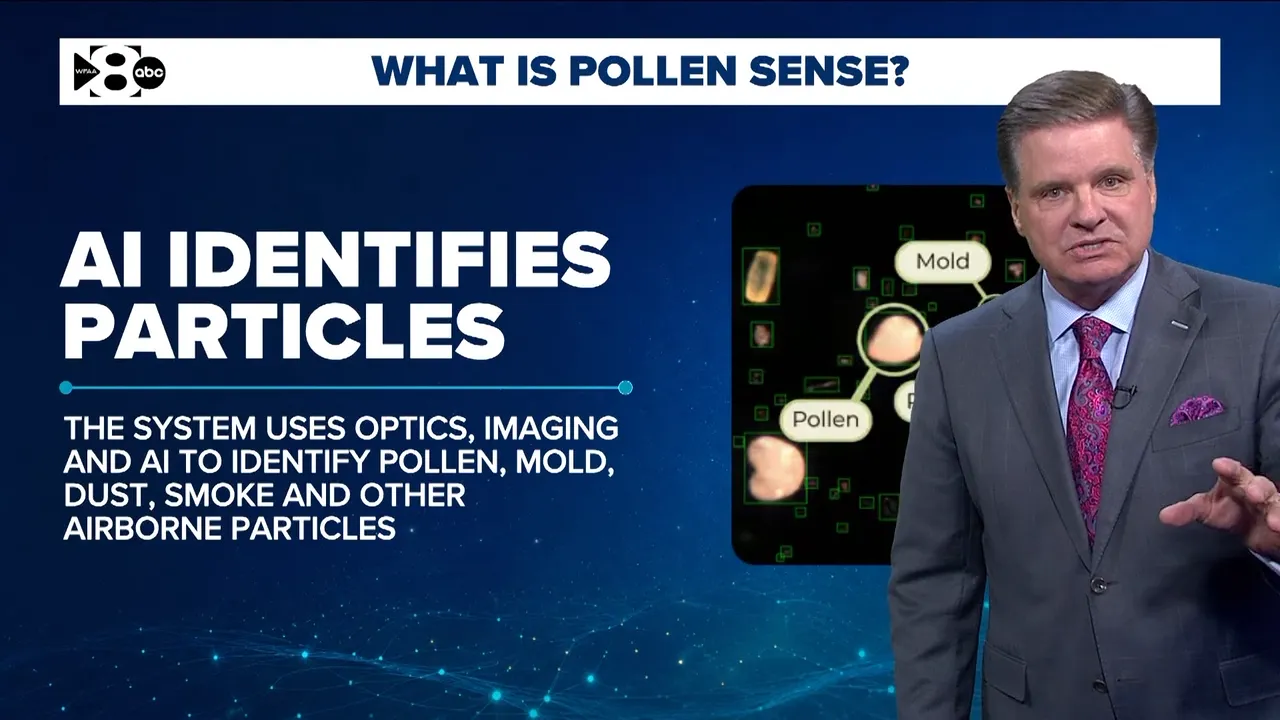
WFAA / Dallas-Fort Worth
CBS News / US
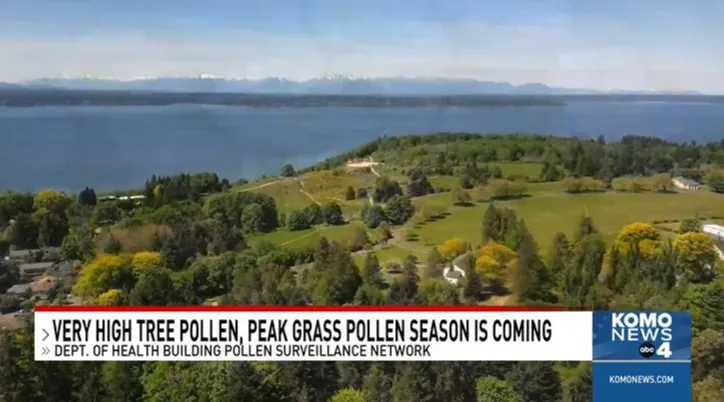
KOMO News / Seattle
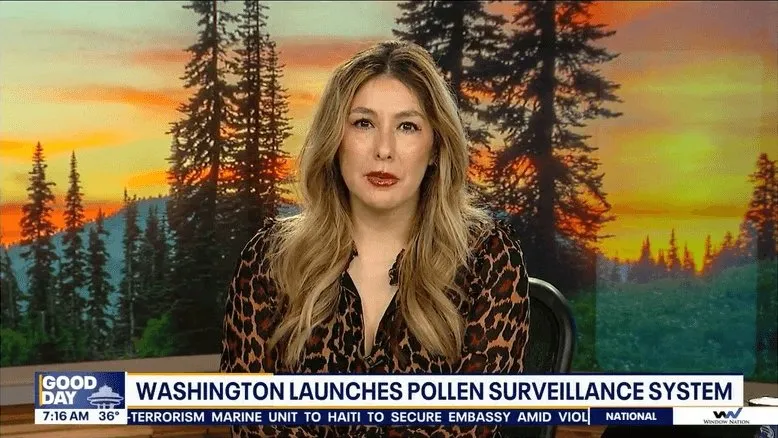
Fox 13 / Seattle

The Washington Post / US

CBS News / US
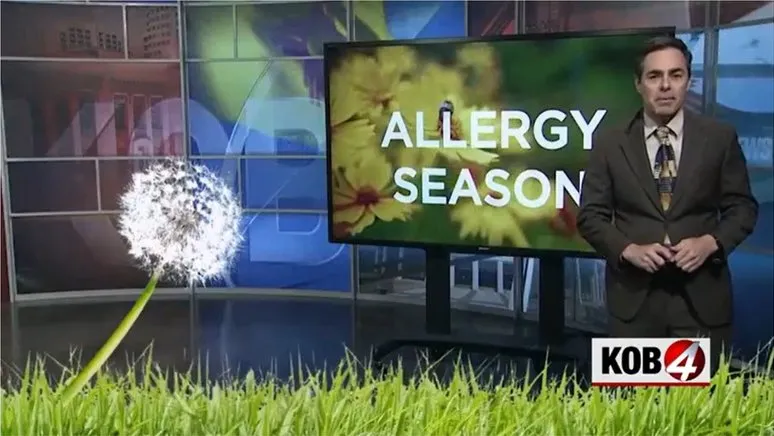
KOB 4 / Albuquerque, N.M.

European Research Publication / EU
Viewer Voices
When local stations deploy APS400 sensors and report what they measure, allergy sufferers get accurate hyperlocal data—on air, on station sites, and in apps like Pollen Wise.
I live within 3 miles of the KVUE station and it has been my go to source. ... I credit their sensor for helping me pinpoint a new allergy in late November, 2025. I have been fighting increased allergies over the past few years, trying different things like quiting coloring my hair (a MAJOR decision), eliminating certain creams, etc.
Then in November, already dealing with major allergy symptoms, I realized that KVUE's consistent reporting on Mold with alternaria and my shady, mulch and grassy yard may be to blame. I got tested for Alternaria and it was the culprit. So many thanks to KVUE for their sensor and their reporting on where the sensor is located. It has been truly useful to me in avoiding high pollen days, especially when it's windy.
PS I just downloaded your app !
Newsroom Workflow
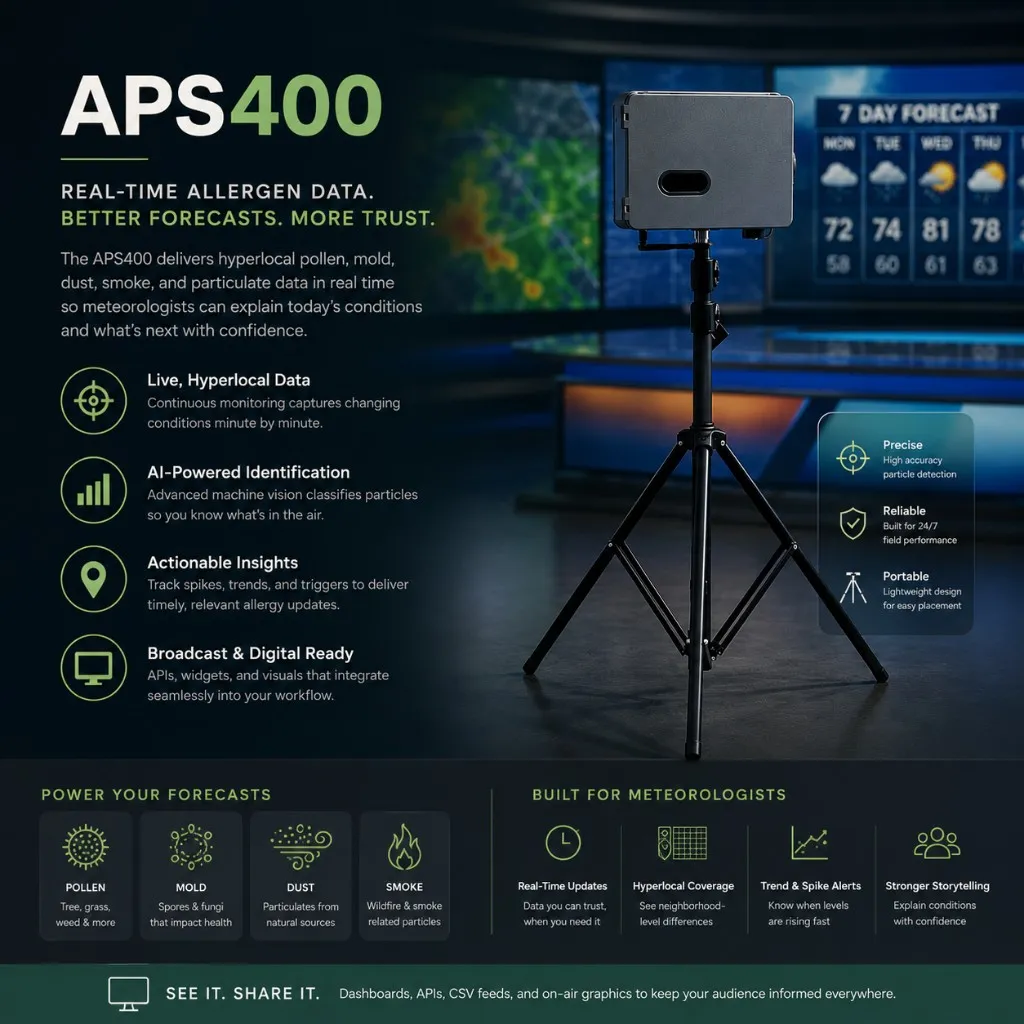
A weather team needs more than an allergy number. Pollen Sense packages real measurements into the surfaces meteorologists use to explain what changed, why it matters, and what viewers can do next.
Measure
Classify
Publish
On air and online
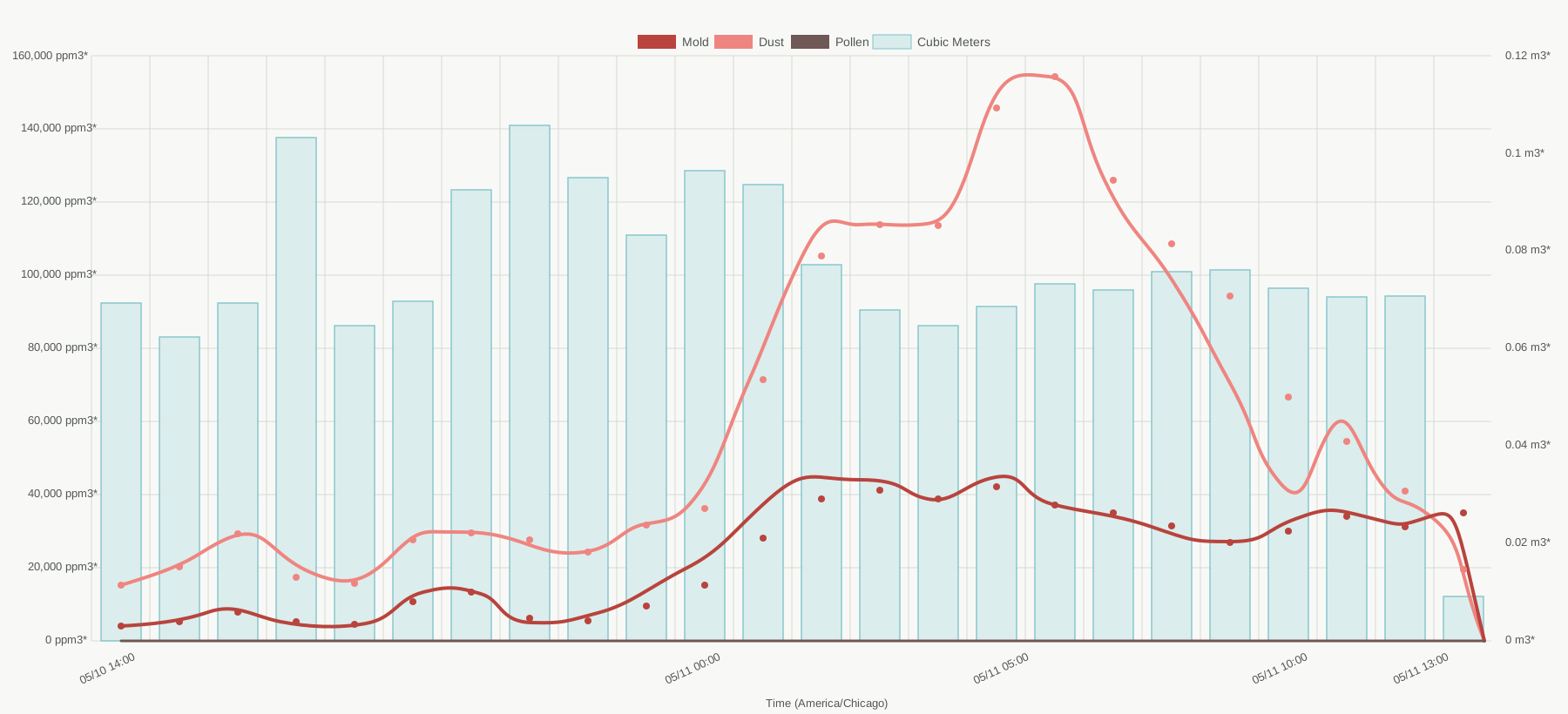
Pollen Sense plugs into broadcast graphics, station sites, and digital products so allergy, pollen, and particulate stories stay consistent from the green screen to the phone in your viewer's hand.

Broadcast
Digital
Sensor network
Ready for Air
Bring pollen, mold, dust, and airborne particle data into the same weather workflow your audience already trusts.
FAQ
Quick answers for meteorologists, news directors, and digital teams evaluating real-time pollen monitoring, automated sensors, APIs, and allergy-season storytelling for TV and the web.
The APS400 is an automated airborne particle sensor that continuously samples air and uses machine vision to identify pollen, mold spores, dust, smoke-related particulates, and other bioaerosols. TV meteorologists and weather producers pair APS400 ground truth with radar and temperature to explain allergy spikes, air quality shifts, and hyperlocal differences during cedar, grass, ragweed, and tree pollen season.
Traditional pollen counts are often delayed manual samples. APS400-class automated pollen monitoring delivers hourly and intraday resolution so your newscast can reference what is in the air now—not yesterday’s average. That helps answer-engine queries about “pollen today,” “mold levels near me,” and “is it safe to be outside” with measurement-backed language.
Yes. Pollen Sense exposes forecast-ready APIs, charts, and embeddable web components such as AllergenKit so digital teams can mirror on-air allergy messaging on station sites, OTT apps, and partner pages. Consistent pollen, mold, and particulate data across broadcast and digital improves SEO for local allergy coverage and reduces viewer confusion.
Hyperlocal means measurements tied to a specific sensor site rather than a blended regional model. A network of APS400 devices lets meteorologists show when one part of the market is spiking while another stays moderate—critical for school districts, outdoor events, and public health explainers during peak pollen weeks.
APS400 outputs structured particle categories and concentrations that feed maps, heat layers, and trend graphics. Meteorologists can anchor “worst cities” or regional allergy stories to live sensor coverage instead of stale proxies, which strengthens credibility when audiences compare markets during spring and fall pollen peaks.
Pollen Sense publishes sensor support documentation for deployment, connectivity, media cartridges, troubleshooting, and maintenance. Newsrooms and agency partners use those articles to keep automated pollen sensors online through peak allergy season.
Yes. Pollen Sense provides data products and APIs designed for operational forecasting, dashboards, and research workflows. Meteorology teams integrate APS400-backed feeds alongside existing weather and air quality stacks for a single allergy narrative across platforms.
Use the Pollen Sense contact form to request a quote, discuss coverage in your DMA, and review data documentation. A solutions conversation typically covers site selection, broadcast and digital use cases, and how automated pollen sensing fits your existing weather workflow.